
What to Check Before Buying a Used Electric Vehicle
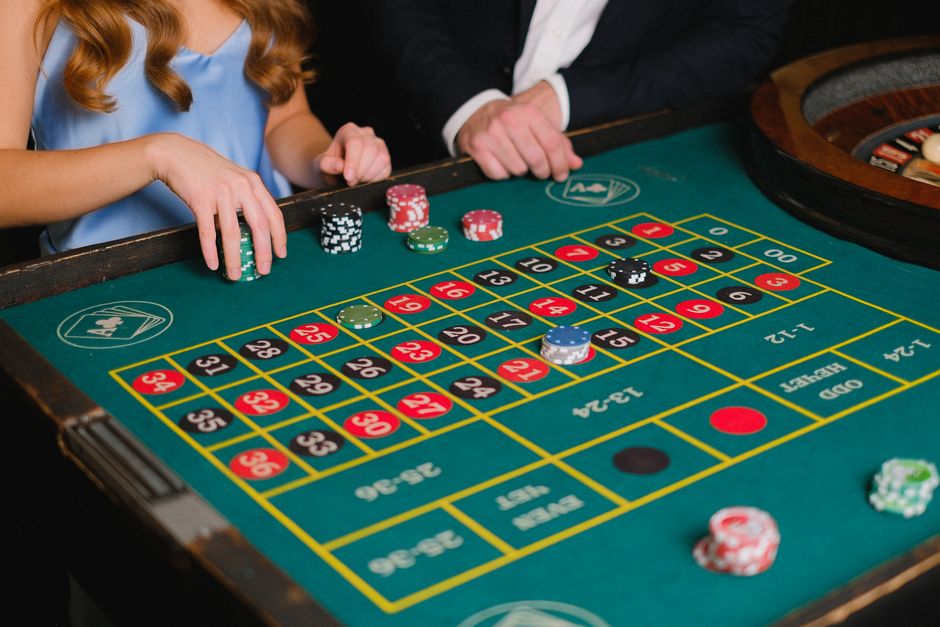
Every casino game on earth is built on the same quiet promise: you might win tonight, but the building was paid for over decades. That's not cynicism — it's arithmetic. Understanding how that arithmetic works is the single biggest upgrade any player can make, whether you're spinning slots at 3 a.m. or grinding a low-stakes poker table on a Sunday afternoon. This isn't a lecture about quitting. It's a look under the hood at the numbers that decide whether your bankroll survives the weekend.
The House Edge, Explained Without the Jargon
Strip away the lights, the cocktails, and the glossy app interface, and every game is just a probability distribution with a payout attached. The gap between the true odds and what the game pays you is the house edge. It's small per bet, which is exactly why it works.
Compare three classic examples:
- European roulette: 37 pockets, pays 35-to-1 on a single number. House edge = 2.7%.
- American roulette: The extra double-zero pushes the edge to 5.26%. Same game, roughly double the cost.
- Blackjack with basic strategy: Around 0.5%, sometimes less depending on the rule set.
That last point matters enormously over time. A player happily betting $10 a hand on American roulette is effectively paying $0.53 per hand for the entertainment. A blackjack player using basic strategy pays about a nickel. Over 500 hands, that's a $240 difference for identical stakes. Game selection is not a minor detail — it's the entire ballgame.
Slots: Where the Edge Lives and How to Read It
Slots get a bad reputation, some of it deserved, but the mechanics are actually more transparent than most players assume. Every regulated machine and online slot carries an RTP figure — return to player — typically between 92% and 97%. That sounds generous until you do the inversion: an RTP of 96% means a 4% house edge, which is steeper than decent blackjack and roughly on par with a mediocre video poker paytable. More background can be found at king88.
A few concrete numbers worth internalizing:
- A 96% RTP slot costs you about $4 per $100 wagered, on average, over a long session.
- High-volatility slots (think 10,000x max wins) have the same RTP but crush bankrolls faster because sessions swing violently.
- Progressive jackpots often sit at 88–92% RTP before the jackpot, which is why they only make sense when the top prize is unusually large.
There's no trick to beating a slot. The only real levers you control are stake size, session length, and which machine you choose. Playing 20 spins at $1 instead of 200 spins at $0.10 doesn't change expected value — but it dramatically changes how long your money lasts. That's often the difference between a fun evening and a frustrating one.
Sports Betting: The Vig Nobody Talks About
If you've ever wondered why a bookmaker posts -110 on both sides of a near-coin-flip, that's the vig — the commission baked into the odds. Standard -110 pricing implies a 52.38% break-even rate. You don't need to win 50% of your bets to profit; you need to win more than 52.38%. That extra 2.38% is the entire margin most recreational bettors never overcome.
Where it gets interesting is line shopping. Taking the best available number across several sportsbooks is the closest thing to free money in betting. A point spread that's -3 at one book and -2.5 at another looks trivial, but over hundreds of bets the difference compounds into real money. Sharp bettors treat the odds feed itself as the game.
Three habits that separate long-term winners from donors:
- Track every bet — stake, odds, sport, and result — in a spreadsheet. Most people are stunned by what their actual numbers say.
- Never let emotion drive stake size. Flat betting reveals true edge; chasing distorts it.
- Specialize. Spreading yourself across twelve leagues means mastering none.
Poker Is a Different Animal Entirely
Poker breaks every rule so far because you're not playing against the house — you're playing against other humans, and the casino takes a rake. That single structural difference is why poker has produced genuine long-term winners, while slots and table games against the house never will.
The rake is still brutal. In a typical low-stakes live game, raking 10% up to $5 per pot can vacuum 20–40 big blinds per hour off the table. That means your opponents aren't just each other; you're all collectively paying rent. Online cash games usually rake less, which is one reason serious grinders live there.
The other side of the coin: poker is a skill game with a finite learning curve you can actually climb. Position, pot odds, bankroll management, and hand reading aren't mysteries — they're teachable. A player who studies for six months will reliably beat someone who's played recreationally for six years. That's rare in gambling, and it's worth respecting.
Bankroll Management: The Skill Everyone Ignores
You can have a 5% edge and still go broke next week. Ask any sports bettor who went all-in on a "lock." Bankroll management is unglamorous, which is precisely why it separates the people who last from the people who flame out in a month.
The standard guidance among professionals is straightforward. For poker, keep 20–30 buy-ins for cash games and 50–100 for tournaments. For sports betting, never risk more than 1–2% of your bankroll on a single wager. For slots, decide in advance what you're prepared to lose — and treat it as the price of entertainment, not an investment.
The mental shift that matters most is this: a bankroll is a tool that lets you keep playing with an edge intact, not a target to be conquered in one hot session. Players who understand that rarely blow up. Players who don't, eventually do.
The Honest Takeaway
None of this is designed to talk you out of playing. Millions of people gamble responsibly and enjoy it, and the games themselves — a well-built slot, a tense final table, a perfectly timed line bet — are genuinely great entertainment. What separates a sustainable player from a future sob story is whether they understand the numbers underneath the fun.
So here's the practical version: pick games with lower house edges, shop your odds, decide your losses before your first bet, and never let a losing session convince you the math will somehow reset. The house edge never takes a night off. But with a bit of knowledge and discipline, it doesn't have to dictate your story either.
LEAVE A COMMENT